FORUM SESSIONS
Plenary Session 1: “Interreligious and Intercultural Dialogue: A Tool for Conflict Prevention and Post-Conflict Peacebuilding”
Read More About Plenary Session 1
The majority of today’s conflicts are identity-based clashes of religions, cultures, and/or ethnicities. In this respect, engaging in and strengthening interreligious and intercultural dialogue has never been more pertinent in achieving mutual understanding and social cohesion. Promoting religious and cultural diversity is an ongoing and adaptive process unique to each national and local context. The plenary session will provide an opportunity to share lessons-learned and good practices in the area of interreligious and intercultural dialogue as tools for conflict prevention and peacebuilding.
SPEAKERS
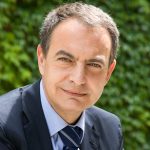
H.E. José Luis Rodríguez Zapatero
FORMER PRIME MINISTER OF SPAIN
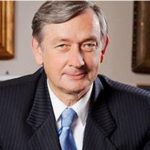
H.E. Danilo Türk
FORMER PRESIDENT OF THE REPUBLIC OF SLOVENIA
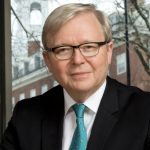
H.E. Kevin Rudd
FORMER PRIME MINISTER OF AUSTRALIA
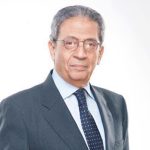
H.E. Amr Moussa
FORMER SECRETARY-GENERAL OF THE LEAGUE OF ARAB STATES
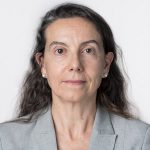
H.E. Ana Maria Menéndez
UNITED NATIONS UNDER-SECRETARY-GENERAL AND SENIOR ADVISOR OF THE UNITED NATIONS SECRETARY-GENERAL ON POLICY
MODERATOR
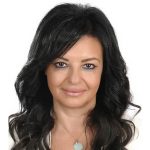
Nihal Saad
CHIEF OF CABINET & SPOKESPERSON FOR THE HIGH REPRESENTATIVE FOR THE UNITED NATIONS ALLIANCE OF CIVILIZATIONS
Plenary Session 2: "Words Matter: The Role and Responsibility of the Media in Shaping Public Perceptions about Migrants and in Promoting Inclusive Societies”
Read More About Plenary Session 2
The international community is facing an unprecedented refugee and migration crises. In parallel, hate speech and incitement to violence against migrants and refugees are on the rise online and in traditional media platforms. In this framework, the media play a crucial role, not only in shaping public perceptions of migrant and refugee populations but also public attitudes towards their integration.
The plenary session will provide an opportunity to exchange ideas and good practices to address this phenomenon. Discussions will also focus on measures to support the Global Compact for Safe, Orderly and Regular Migration, particularly objectives 16 and 17 on empowering migrants and societies to realize full inclusion and social cohesion.
SPEAKERS
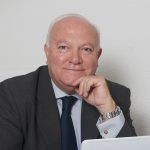
H.E. Miguel Ángel Moratinos
FORMER SPANISH MINISTER OF FOREIGN AFFAIRS
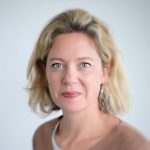
Stefanie Bolzen
UK AND IRELAND CORRESPONDENT, WELT AND WELT AM SONNTAG
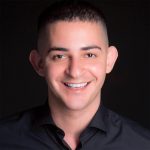
Chaker Khazaal
AUTHOR, REPORTER
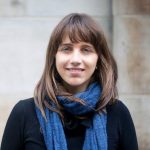
Annie Correal
REPORTER, THE NEW YORK TIMES
MODERATOR
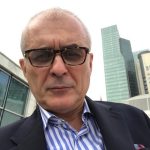
Erol Avdovic
SENIOR UN DIPLOMATIC CORRESPONDENT AND MANAGING EDITOR FOR WEBPUBLICS PRESS
Youth Event:
#UNAOCyouth
Read More About the Youth Event
In this year’s forum, we are bringing to UNHQ 100 youth who constitute our Alumni. They are youth leaders who are engaged in grassroots activities and who have been beneficiaries of UNAOC’s programmes and initiatives over the past ten years. Innovative formats will be used to ensure participation by all 100 young people. They will share their achievements in areas such as peacebuilding, media and the use of new technologies, and the prevention of violent extremism. Good practices from the partnership between youth and UNAOC will also be discussed. The forum will additionally provide space for young people’s input towards operationalization of the recently launched UN Youth Strategy.
SPEAKERS

Al-Nasser
HIGH REPRESENTATIVE FOR THE UNITED NATIONS ALLIANCE OF CIVILIZATIONS
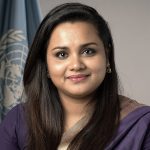
Jayathma Wickramanayake (Keynote Speaker)
UN SECRETARY-GENERAL’S ENVOY ON YOUTH
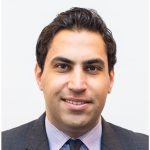
Ahmad Alhendawi (Featured Moderator)
SECRETARY GENERAL OF THE WORLD ORGANIZATION OF THE SCOUT MOVEMENT (WOSM)
#UNAOCyouth
100 youth leaders who have partnered with UNAOC through organizational programmes and initiatives over the past ten years
Breakout Session 1: “Digital Diplomacy: Online Citizen Engagement and Social Media Platforms as Mechanisms for Prevention and Countering Online Hate Speech"
Read More About Breakout Session 1
The internet has become an asset for radical and terrorist groups to disseminate violent extremist propaganda, recruiting new converts and raising money. Technology enables terrorist groups to reach disenfranchised people everywhere in the world and influence them.
Information and communication technologies, in particular social media platforms, have become powerful tools in conflict prevention and peacebuilding efforts.
Social media can help facilitate dialogue and reconciliation among people from different ethnic backgrounds and cultures. It can positively affect perceptions on ethnicity, change attitudes, and promote social inclusion, respect, and mutual understanding. It can also act as an early warning mechanism during periods of heightened tension.
At the same time, there are many instances where social media is exploited for nefarious purposes. Ongoing challenges include limiting the availability and influence of violent extremist propaganda, and racist and xenophobic hate speech online, in a manner that promotes, protects and respects human rights. The breakout session will provide an opportunity to understand how social media can be harnessed to help mitigate identity-based drivers of conflict while contributing to the “sustaining peace agenda”. The proposed meeting will also mobilize and foster the efforts of the United Nations with the technology industry as well as civil society and the private sector to strengthen their partnership in this area.
SPEAKERS
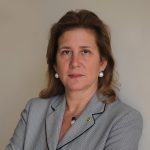
Naila Hamdy, Ph.D.
ASSOCIATE DEAN FOR GRADUATE STUDIES AND RESEARCH, SCHOOL OF GLOBAL AFFAIRS & PUBLIC POLICY, THE AMERICAN UNIVERSITY IN CAIRO

Nancy Groves
HEAD OF SOCIAL MEDIA, UNITED NATIONS DEPARTMENT OF PUBLIC INFORMATION
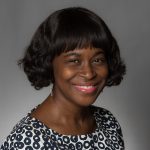
Errin Whack
NATIONAL WRITER, RACE AND ETHNICITY, ASSOCIATED PRESS
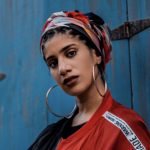
Maha Jaafar
YOUTUBE CREATOR FOR CHANGE AMBASSADOR
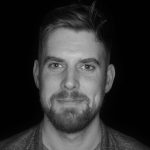
Ian Plunkett
HEAD OF PUBLIC POLICY COMMUNICATIONS, TWITTER
MODERATOR
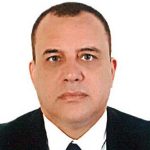
Ezzat Ibrahim
EDITOR IN CHIEF, AL-AHRAM WEEKLY
Breakout Session 2: “Strengthening the Leadership, Inclusivity and Visibility of Women in Sustaining Peace Process”
Read More About Breakout Session 2
It is a truism that when women are included in peace processes, peace lasts longer. This includes the signing of peace agreements, and efforts to build equal and fairer societies in post-conflict settings. Since the adoption of United Nations Security Council resolution 1325 (2000), a significant amount of progress has been made in recognizing the importance of women’s leadership and meaningful participation in conflict prevention, resolution and peacebuilding. In its twin resolutions on the review of the peacebuilding architecture, the General Assembly (70/262) and Security Council (2282)(2016) underscored the importance of women’s leadership and participation in conflict prevention, resolution and peace building. However, the number of women in decision-making positions remains relatively small. The breakout session will focus on sharing good practices, identifying gaps and establishing partnerships for improving women’s inclusion and leadership in peace processes.
SPEAKERS
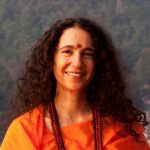
Sadhvi Bhagawati Saraswatiji
PRESIDENT, DIVINE SHAKTI FOUNDATION; SECRETARY-GENERAL, GLOBAL INTERFAITH WASH ALLIANCE; DIRECTOR, INTERNATIONAL YOGA FESTIVAL
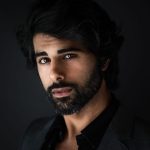
Rajiv Uttamchandani
PRESIDENT, H.E.R. ACADEMY
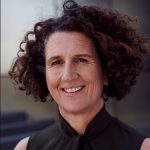
Dr. Jeni Klugman
MANAGING DIRECTOR, GEORGETOWN INSTITUTE FOR WOMEN PEACE AND SECURITY
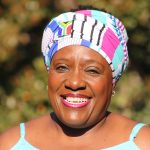
Thandeka Tutu-Gxashe
CEO, TUTU DESK CAMPAIGN
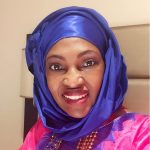
Rehmah Kasule
PRESIDENT AND FOUNDER, CENTURY ENTREPRENEURSHIP DEVELOPMENT AGENCY (CEDA) INTERNATIONAL
MODERATOR
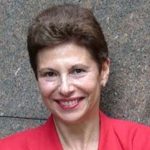
Louise Kantrow
PERMANENT REPRESENTATIVE TO THE UNITED NATIONS AT INTERNATIONAL CHAMBER OF COMMERCE
Breakout Session 3: “Partnerships that Work: Leveraging the Private Sector and Civil Society in Peacebuilding Efforts”
Read More About Breakout Session 3
Both the General Assembly and the Security Council have recognized that sustaining peace is a collective task. As underscored by the United Nations Secretary-General, building and sustaining peace require enhanced strategic coherence and partnerships. Efforts to sustain peace are necessary not only during conflict but also long beforehand, through addressing its root causes for prevention.
The discussions will focus on the importance of establishing and strengthening partnerships for peace with a particular focus on how the private sector and civil society can contribute to Goal 16 of the 2030 Agenda for Sustainable Development on promoting just, peaceful, and inclusive societies.
SPEAKERS
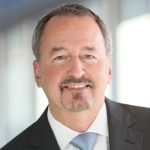
Bill McAndrews
VICE PRESIDENT OF COMMUNICATIONS STRATEGY, CORPORATE AND MARKET COMMUNICATIONS, BMW GROUP
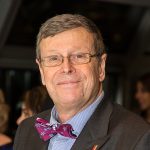
Jean Pierre Diserens
CO-FOUNDER AND SECRETARY-GENERAL, CONVENTION OF INDEPENDENT FINANCIAL ADVISORS (CIFA)
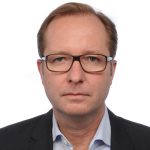
Roland Mayr
MANAGING DIRECTOR, ACCENTURE
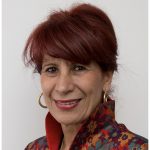
Hanifa Mezoui, Ph.D.
SENIOR ADVISOR, HUMANITARIAN AFFAIRS AND CIVIL SOCIETY, UNITED NATIONS ALLIANCE OF CIVILIZATIONS (UNAOC)
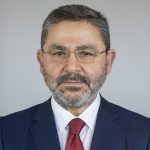
Ahmet Akça
CHAIRMAN, TURKCELL
MODERATOR
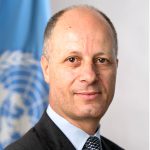
Maher Nasser
DIRECTOR OF THE OUTREACH DIVISION, UNITED NATIONS DEPARTMENT OF PUBLIC INFORMATION
Breakout Session 4: “Many Cultures, One Humanity: The Role and Responsibility of Religious Leaders and FBOs in Building Peaceful and Inclusive Societies”
Read More About Breakout Session 4
Within the United Nations, there is an increasing understanding of the role that religious leaders and faith-based organizations play in advancing the three pillars of the organization – peace and security, development and human rights. They are important actors in the implementation of the 2030 agenda for sustainable development. FBOs are already vested in all processes of human development. Religious leaders are uniquely placed to mobilize support for peace at all levels of society. In conflict and post-conflict settings, religious leaders and faith-based organizations are oftentimes the primary catalysts of nonviolent transformation, reconciliation, and stability. The breakout session will provide an opportunity to exchange views and good practices in engaging with religious leaders and faith-based organizations involved in peacebuilding, national reconciliation, and the prevention of violent extremism.
SPEAKERS
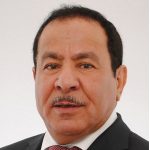
Faisal Bin Abdulrahman Bin Muaammar
SECRETARY GENERAL, KING ABDULLAH BIN ABDUL AZIZ INTERNATIONAL CENTER FOR INTERRELIGIOUS AND INTERCULTURAL DIALOGUE (KAICIID)
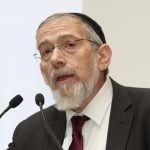
Rabbi Michael Melchior
PRESIDENT, MOSAICA RELIGIOUS PEACE INITIATIVE
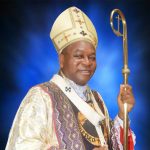
John Cardinal Onaiyekan
ARCHBISHOP OF ABUJA, NIGERIA
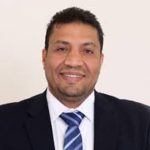
Dr. Kamal Boraiqa Abdelsalam Hassan
PROFESSOR, AL-AZHAR UNIVERSITY
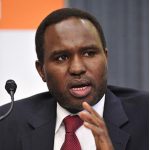
Dr. Mohamed Elsanousi
EXECUTIVE DIRECTOR, NETWORK FOR RELIGIOUS AND TRADITIONAL PEACEMAKERS
MODERATOR
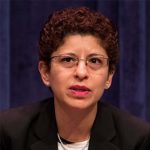
Azza M. Karam
SENIOR ADVISOR ON CULTURE, UNITED NATIONS POPULATION FUND (UNFPA)
Breakout Session 5: “Global Citizenship Education”
Read More About Breakout Session 5
Global citizens identify with being part of an interdependent world community where cultural and ethnic differences are celebrated as a strength rather than weakness. Global Citizenship Education is about training young people to be full participants in this type of global society. This involves teaching respect and appreciation for cultural diversity, and a commitment to promoting and protecting human rights. It is about living those values locally while thinking globally.
The breakout session will provide an opportunity to highlight the role of formal education, informal education, and advocacy to achieve SDG 4: Quality Education.
SPEAKERS
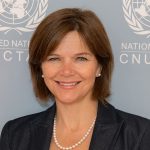
Dr. Chantal Line Carpentier
CHIEF, UNITED NATIONS CONFERENCE ON TRADE AND DEVELOPMENT (UNCTAD) NEW YORK
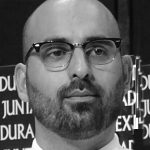
José Ángel Calle Suárez
DIRECTOR GENERAL, AGENCIA EXTREMEÑA DE COOPERACIÓN INTERNACIONAL PARA EL DESARROLLO (AEXCID)
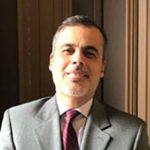
José Rui Velez Caroço
EXECUTIVE DIRECTOR, NORTH-SOUTH CENTRE OF THE COUNCIL OF EUROPE
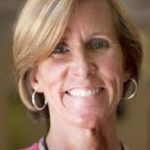
Kate Cumbo
EXECUTIVE DIRECTOR, PEACEJAM FOUNDATION
MODERATOR
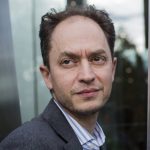
Dr. Emmanuel Kattan
DIRECTOR OF THE ALLIANCE PROGRAM, COLUMBIA UNIVERSITY
Breakout Session 6: “Silk Road: A Route to Peace?”
Read More About Breakout Session 6
Since time immemorial, human beings have moved from place to place and traded with their neighbors, exchanging goods, skills, and ideas. Throughout history, the Silk Road formed the first bridge between East and West. These overland and maritime routes have facilitated interaction between peoples and civilizations, offering insights into the past and shedding light on the future, while highlighting the shared heritage that links the peoples of Eurasia. In his opening remarks at the Belt and Road Forum in 2017, UN Secretary-General António Guterres underscored that “While the Belt and Road Initiative and the 2030 Agenda are different in their nature and scope, both have sustainable development as the overarching objective. Both strive to create opportunities, global public goods, and win-win cooperation. And both aim to deepen ‘connectivity’ across countries and regions: connectivity in infrastructure, trade, finance, policies and, perhaps most important of all, among peoples”. This breakout session has been proposed and organized by the Silk Institute to present an innovative initiative: “The New Silk Road on Peace Routes.” The session aims to enhance our shared understanding and cooperation among peoples in countries along the ancient Silk Road in order to prevent crisis and conflict.
SPEAKERS
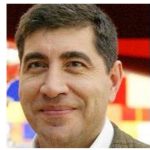
Fernando Molina Pons
PRESIDENT OF THE SILK INTERNATIONAL INSTITUTE
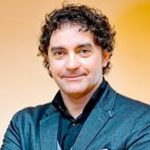
Francesc Colomer Sánchez
REGIONAL SECRETARY OF TOURISM OF THE GENERALITAT VALENCIANA
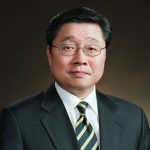
Sungdon Hwang
SECRETARY-GENERAL OF SILK ROAD UNIVERSITY NETWORK (SUN)
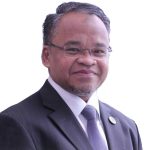
Nasharudin Mat Isa , Ph.D.
PRESIDENT AND CEO OF THE WASATIYAH CENTRE FOR PEACE
MODERATOR
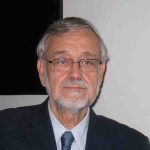
Enrique Gaspar
VICE PRESIDENT OF SILK INTERNATIONAL INSTITUTE